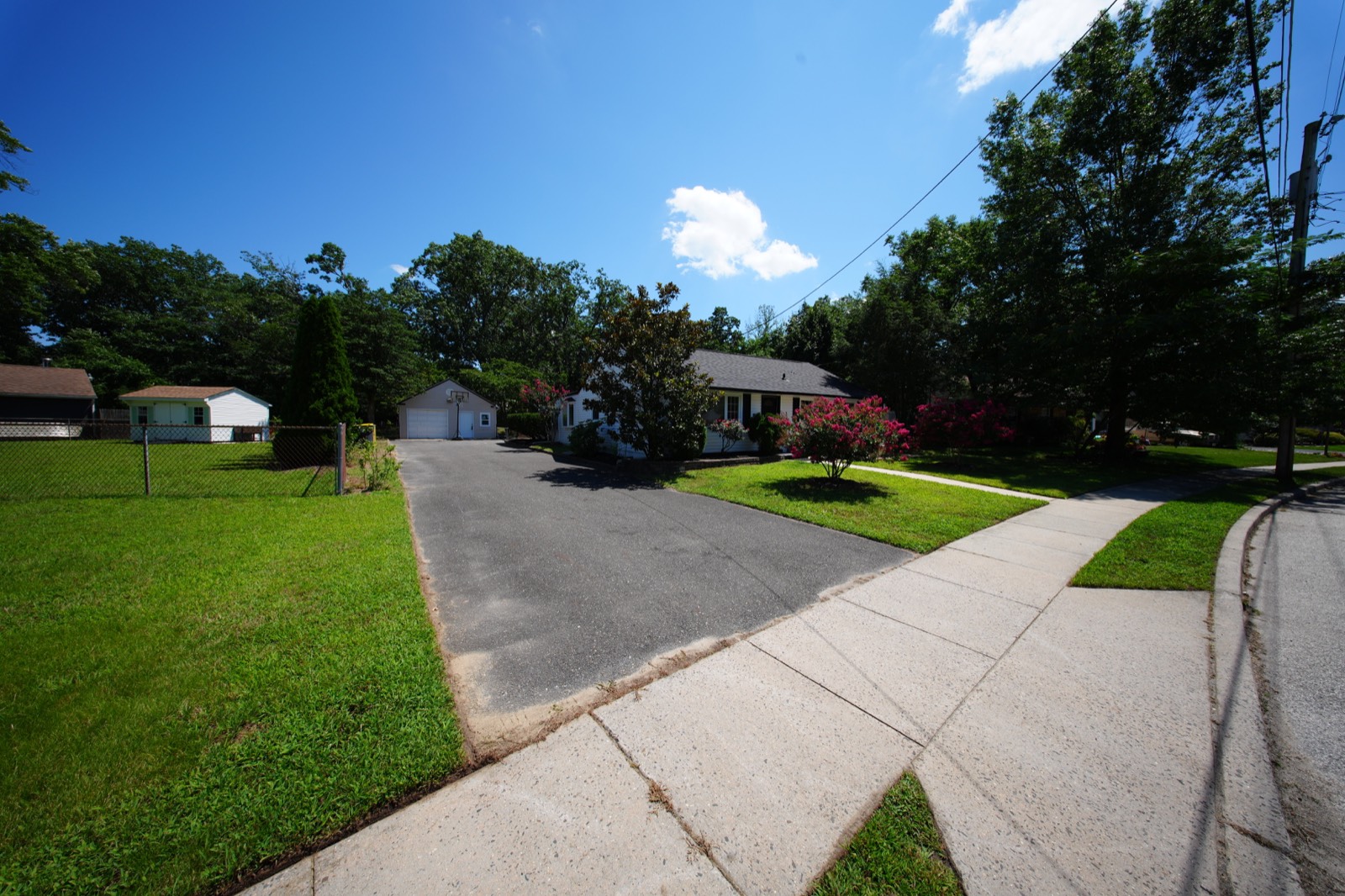
A twilight photo is the highest-impact single image a listing can have, and it comes down almost entirely to timing. Miss the window and you get a dark house or a washed-out sky. Hit it and you get the shot buyers stop scrolling for. Here is exactly when to shoot it, how to prep, and which listings actually need it.
The magic is blue hour, the short stretch just after the sun drops below the horizon, and it does not wait for anyone.
For roughly twenty to thirty minutes after sunset, the sky still holds deep blue and warm color while the home's interior lights read as a golden glow. Before that window, the sky is too bright and the windows look dead. After it, the sky goes black and the house disappears into it. There is no getting the shot back until the next evening, which is why twilight is a scheduled, deliberate shoot and not something squeezed onto the end of a daytime session. The exact clock time shifts with the season, so the shoot is timed to that day's sunset rather than a fixed hour, and the photographer is set up and dialed in before the light even arrives. The whole thing lives or dies on being ready early, because the best minute of that window does not come back.
It is not just pretty. There are specific reasons the dusk exterior outperforms every other photo in the set.
Every other listing photo is shot in flat daylight. A dusk exterior with glowing windows looks like a different category of home entirely. It becomes the hero image, the thumbnail, the one that earns the click on the portals and in the feed.
Warm light in the windows reads as lived-in and inviting in a way a bright noon photo never does. A buyer pictures their own evening there, and that feeling is a huge part of what actually drives an offer.
Soft evening light hides a tired lawn, a gray sky, and the harsh shadows of midday. The home simply looks its best at dusk, and so does the whole street around it.
The window is short, so the house has to be fully ready before the light arrives. This is where most twilight shots are won or lost.
Interior lamps, overheads, exterior fixtures, landscape lighting, all of it. The glow is the entire point of the shot. One dark window in the front of the house breaks the whole image.
Open window coverings let the interior warmth spill out through the glass. Closed blinds turn what should be glowing windows into flat gray rectangles, which defeats the purpose of shooting at dusk at all.
A clear or lightly clouded sky is ideal, since a flat gray overcast gives you nothing to work with. Because the window is fixed and weather-dependent, twilight is booked as its own visit, and a rainout means rescheduling. It is worth the extra trip for the image it produces.
Twilight is a real cost in time and scheduling, so it should be used where it earns its keep. Luxury homes almost always justify it, because the hero image sets the tone for the entire campaign. Homes with strong architecture, dramatic exterior lighting, a pool, or great curb appeal are natural candidates, since they have something worth lighting up. A plain starter home in a hot market that will sell in a weekend on the daytime photos usually does not need the extra evening. The honest rule is simple: if the exterior is a selling point, or the listing needs to stand out in a crowded market, twilight pays for itself. If it is a fast-moving, modest home, put that budget somewhere it does more work.
A few recent listing pieces that lean on great light. Timing is everything, in stills and in motion.
Start right around sunset and shoot through the twenty to thirty minutes after it. The exact clock time shifts with the season, so the shoot is scheduled to that day's sunset rather than a fixed hour, and the photographer is set up before the light arrives.
For the hero image, almost always. It becomes the lead photo that earns the click on the portals and in the feed. On higher-value and hard-to-photograph homes it is close to essential, and it consistently outperforms every daytime exterior in the set.
Luxury homes, homes with strong exterior lighting or architecture, homes with a pool, and any listing that has to stand out in a crowded market. A plain starter in a fast market can usually skip it without losing anything.
You can, and cheap shops do, but it usually looks it. A real twilight capture has natural light falloff and true window glow that a filter cannot fully replicate. On a listing where the hero image matters, shoot the real thing.
The hero shot is one piece of the set. See the portfolio, review listing photography, or check what each package includes. Marketing a high-end home? Read how to market a luxury listing.
Tell us about your listings and we reply the same day with a shoot date or the tier that fits.
A few details and we reply the same day, usually with a shoot date or the tier that fits your pace.
Tell us about the listing, or the volume you run in a month, and we will price out the tier that actually fits.